Strategies
Fibonacci Levels as a Tool for Scalping on Forex
Scalping targets very short-term trades to profit from small price moves. Here is how Fibonacci retracement levels work across timeframes, with three example strategies.
Scalping on Forex is a trading style that targets the shortest possible trades to profit from small price movements. For scalpers it's essential to have a solid set of technical tools and a clear idea of which timeframe to analyse. One of those tools is the Fibonacci retracement, and below we look at how it can be used across different timeframes, with three example strategies.
The basics of Fibonacci levels
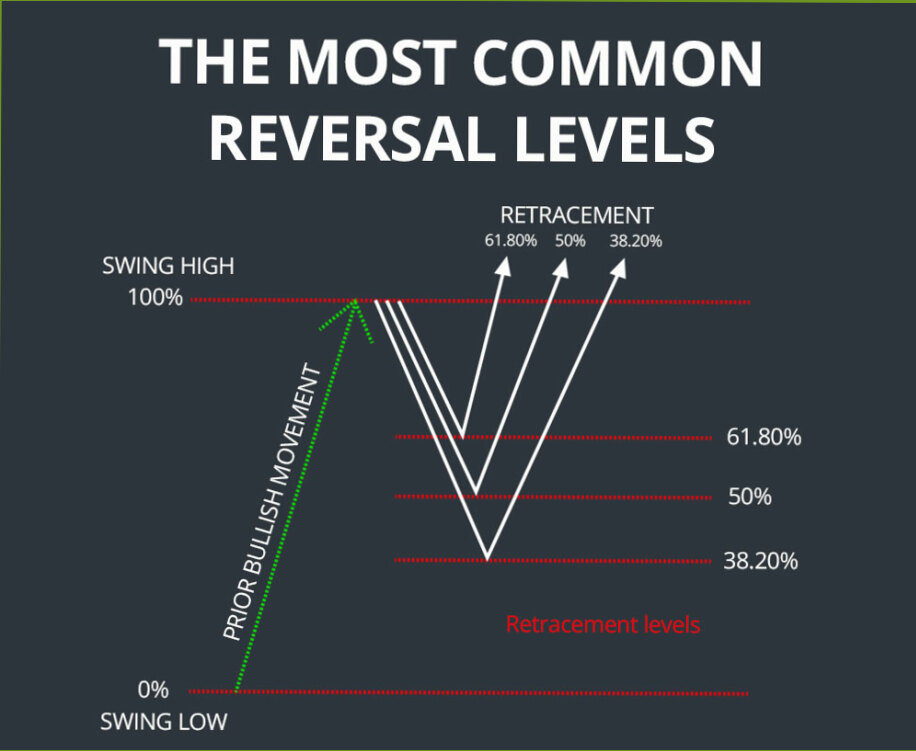
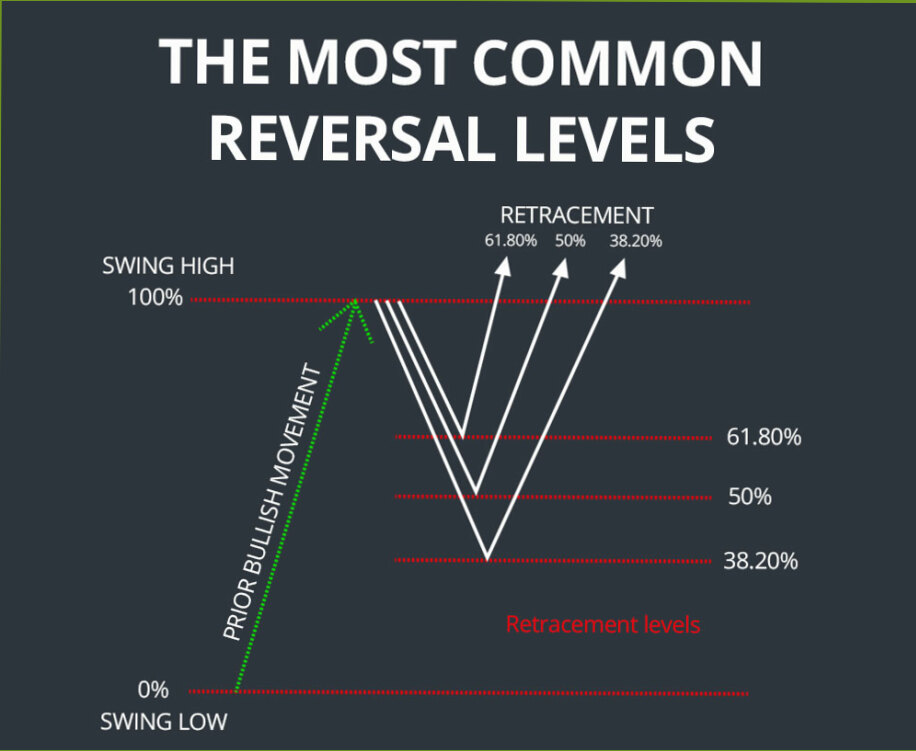
Fibonacci retracement is a technical tool that uses levels based on the Fibonacci sequence to identify potential support and resistance on a price chart. With it, scalpers can pinpoint key price levels that can act as entry and exit points for trades.
Using Fibonacci levels in scalping
- Identify the current trend. First, determine the prevailing trend — bullish (up) or bearish (down).
- Draw the Fibonacci levels. Plot horizontal lines at the Fibonacci levels — 23.6%, 38.2%, 50% and 61.8%. These act as potential targets for entering and exiting trades.
- Define entry and exit signals. Watch for moments when price approaches a Fibonacci level. If price reaches one of these levels and starts to reverse, that can be a signal to enter or exit. For example, if price hits the 61.8% level and begins to fall, a scalper might open a short position.
- Manage risk. Always account for risk — set stop-losses and profit targets to protect your capital.
Which timeframe is best for scalping with Fibonacci?
Choosing the right timeframe for scalping with Fibonacci depends on your style and how much time you can spend analysing the market. A few general guidelines:
- M1 (1-minute) and M5 (5-minute). These are the most popular timeframes for scalpers because they offer the shortest-term view. On these charts scalpers look for quick entries and exits, and Fibonacci levels help define entry points and profit levels.
- M15 (15-minute). If you prefer slightly longer scalping trades, M15 can be a good choice. Here you can use Fibonacci levels to mark important price levels.
- Multi-timeframe analysis. Some scalpers combine timeframes for a better read on the market — analysing the longer-term trend on higher timeframes such as H1 or D1, then switching to M1 or M5 to enter.
- Test and adapt. There is no universal timeframe that suits everyone. Your choice should depend on your own strategy, comfort and experience. Test across timeframes and find where you perform best.
Whatever timeframe you pick, remember to control risk, use stop-losses and profit targets, and justify every trade. Scalping demands fast reactions and strict discipline to succeed on Forex.
Advantages of Fibonacci levels for scalpers
- Clear support and resistance. These levels help scalpers find high-probability entry and exit points.
- Fast reaction. Scalpers value tools that let them react quickly to changes, and Fibonacci retracement fits that well.
- Confirmation with other indicators. Scalpers can combine Fibonacci retracement with other technical indicators to improve accuracy.
Trading strategies with Fibonacci lines
Let's look at three example scalping strategies using Fibonacci lines on different timeframes:
- Scalping on M1 with Fibonacci lines.
- Timeframe: 1 minute.
- Goal: profit from small price swings.
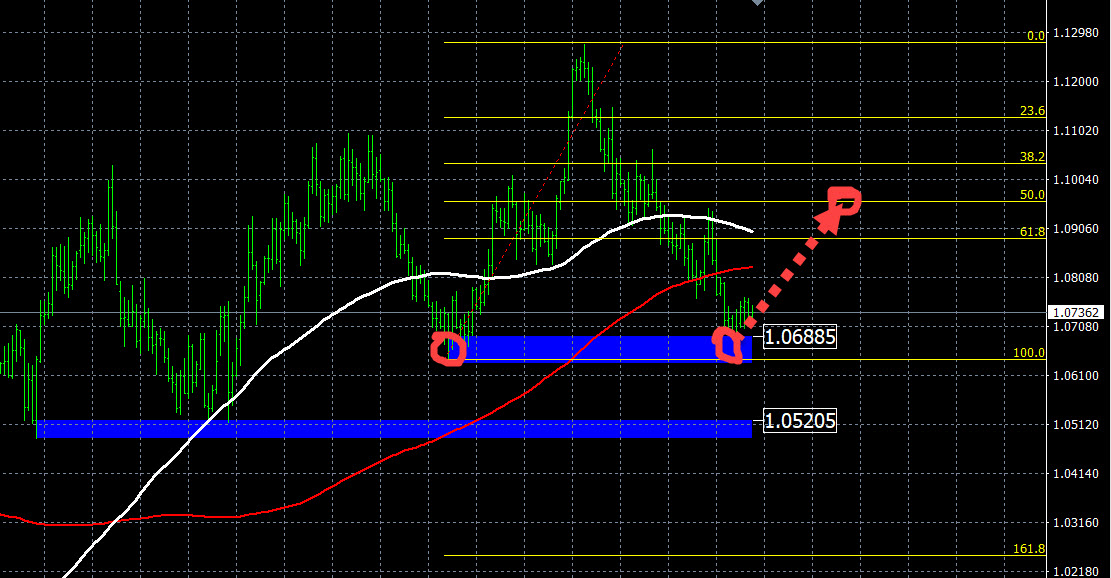
- Strategy: identify the current trend on M1, draw Fibonacci lines from the last significant move. Enter when price approaches a Fibonacci level and gives a confirming signal (for example, a candlestick pattern).
- Scalping on M5 with Fibonacci lines.
- Timeframe: 5 minutes.
- Goal: short-term trades using Fibonacci levels.
- Strategy: use M5 for short-term analysis but draw the Fibonacci lines on a higher timeframe such as H1. Enter when price crosses a Fibonacci level on M5 and is confirmed on H1.
- Scalping on M15 with Fibonacci lines.
- Timeframe: 15 minutes.
- Goal: medium-length trades using Fibonacci levels.
- Strategy: use M15 for trend analysis. Draw Fibonacci lines on H1 or higher. Enter when price reaches a Fibonacci level on M15 and aligns with the higher-timeframe trend.
Conclusion
Fibonacci lines are a powerful tool for scalpers on Forex, helping to identify key price levels and make informed decisions about entering and exiting trades. But like any strategy, it takes understanding and practice to use well. Scalpers can combine it with other analytical methods to improve their edge.
Choosing a timeframe and using Fibonacci lines can be a strong combination for scalping on Forex. Remember, though, that every strategy needs thorough testing and practice before it is used on real trades. Scalping is a high-risk style, and risk control, stop-losses and profit targets remain an essential part of trading successfully.